

The Allure of Casino Environments
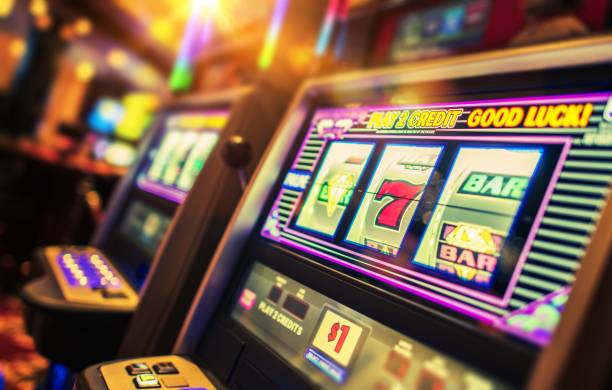
Casinos are meticulously designed to create an immersive experience, drawing players into a world filled with sensory stimulation. The colorful lights, captivating sounds, and the aroma of success all work together to appeal to our emotions and instincts. Research indicates that these elements trigger psychological responses that enhance the excitement and thrill of gambling. This unique environment can lead individuals to make decisions that they might not otherwise consider in a more neutral setting, such as exploring nfl online betting sites.

The ambiance is not just for show; it plays a significant role in decision-making. The layout encourages movement through various gaming options, creating an atmosphere where players may feel compelled to try their luck at numerous games. This design manipulates spatial awareness and time perception, often leading individuals to lose track of time and make impulsive gaming choices.
The Role of Risk and Reward
One of the key psychological factors driving gambling behavior is the inherent tension between risk and reward. Players are often drawn to the prospect of winning big, which can overshadow the reality of the odds against them. The potential for a jackpot can create a sense of euphoric anticipation, compelling people to take risks they might deem irrational in other contexts. Understanding this cycle is essential for recognizing how the allure of gambling can cloud judgment, often resulting in decisions that prioritize short-term gratification over long-term consequences.
This relationship between risk and reward can activate pathways in the brain associated with pleasure and desire. The excitement of a possible win triggers dopamine release, which reinforces the behavior and potentially leads to repetitive gaming. In these moments, players might overlook critical information that could assist them in making more informed choices.
Cognitive Biases in Gambling
Cognitive biases play a significant role in how players perceive their chances at winning in casinos. For instance, the “gambler’s fallacy”—a belief that previous outcomes can influence future results—leads individuals to feel that losses must be compensated by future wins. This fallacy can result in repeated betting, as players believe they are “due” for a win, despite each game being independent of previous outcomes. Creating awareness about these biases can help mitigate their effects and promote better decision-making.
Similarly, confirmation bias can further entrench players in their gambling behaviors. Players often focus on instances where others have won or where they have won themselves, while ignoring the numerous losses along the way. This selective focus can generate a misleading sense of competence and control over the unpredictable nature of gambling activities.
Emotional Influences on Gambling Choices
Emotions significantly impact decision-making in casinos. Feelings of stress, excitement, or even sadness can alter how players approach gambling. For example, someone seeking an escape from daily stresses may be more likely to engage in gambling as a way to cope, often leading to poor choices driven by temporary emotional states rather than rational thought. Recognizing these emotional influences is key to understanding gambling behavior.
This emotional interplay can create a cycle where players may gamble more to chase the high or to escape negative feelings, further embedding them in a pattern of decision-making that prioritizes immediate emotional relief over financial responsibility. Understanding these emotional drivers is vital for anyone looking to comprehend the full scope of gambling behavior.
Exploring Responsible Gaming Practices
As the complexities of casino gaming decisions become clearer through psychological lenses, the importance of responsible gaming practices emerges. Educating players about the psychological triggers that influence their gambling decisions is crucial for fostering a healthier gaming environment. Awareness of cognitive biases and emotional influences can empower individuals to make more informed decisions, potentially reducing the risks associated with gambling.
Furthermore, resources and support systems available to players can serve as vital tools in promoting responsible gambling. Encouraging self-reflection and mindfulness during gameplay can help individuals recognize when their gaming behavior may be becoming problematic. By prioritizing education and support, the gaming industry can work towards creating a balanced and responsible gaming culture.