

Understanding the psychological triggers that influence behavior in casinos
The Allure of Chance and Uncertainty
The thrill of gambling often stems from the allure of chance and the uncertainty surrounding outcomes. Casinos are designed to create an environment where players are enticed by the possibility of winning big. This unpredictability activates a psychological response that can heighten excitement and spur individuals to take risks they might otherwise avoid. For those looking for fun, the playojo casino offers a range of games that capitalize on this thrill. Understanding how chance plays a role in decision-making can help explain why many find themselves drawn to the gaming floor.
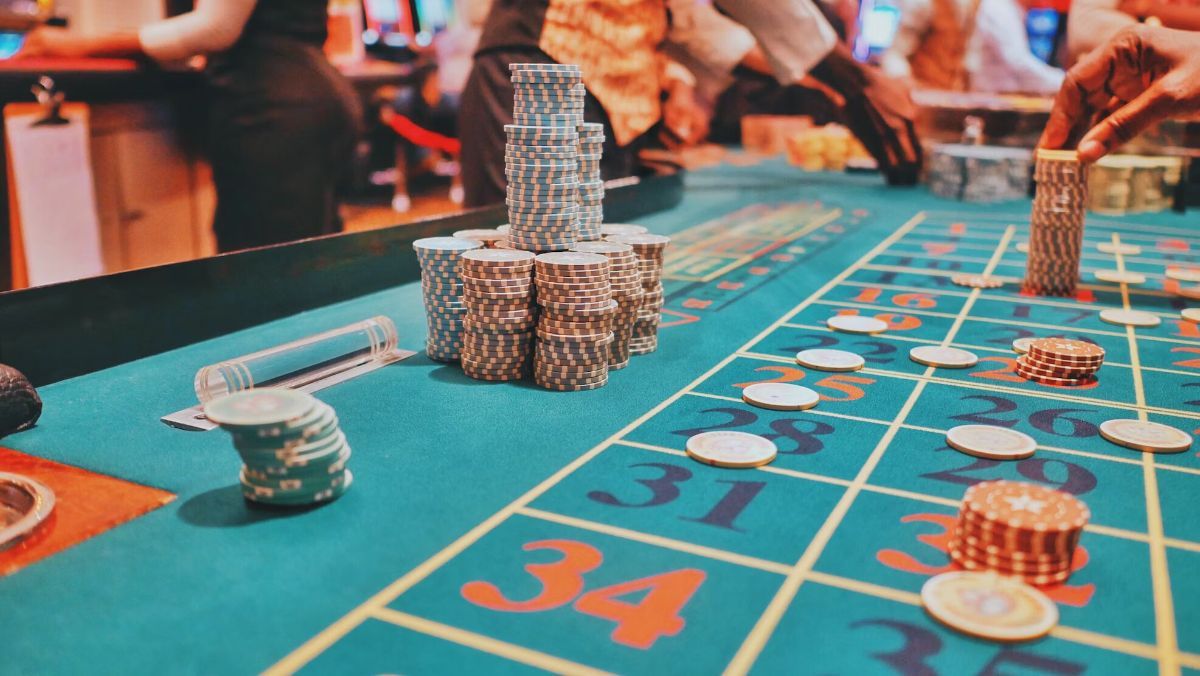
Furthermore, the element of surprise can lead to a dopamine release in the brain, reinforcing the behavior. Each time a player pulls a slot machine lever or rolls dice, they experience a rush that can keep them coming back for more. This cycle of anticipation and reward can create a powerful emotional drive that influences gambling behavior.
The Role of Environment and Design
The physical design of a casino is meticulously crafted to stimulate engagement and prolong visits. Bright lights, vibrant colors, and alluring sounds are all intentional elements that draw players in and keep them entertained. The strategic placement of games and amenities can facilitate a sense of immersion, making it challenging for individuals to leave. These environmental cues are not merely incidental; they are strategically employed to affect psychological triggers.
Additionally, the absence of clocks and windows can create a disorienting experience, allowing gamblers to lose track of time. This design choice contributes to the idea of “time flies when you’re having fun,” encouraging longer play sessions that can lead to increased spending. Thus, understanding the psychological impact of these design elements is crucial for recognizing how they influence player behavior.
The Power of Social Influence
Gambling often occurs in social settings, where the presence of others can significantly affect individual behavior. Observing peers win can elicit feelings of excitement and motivation, prompting players to participate actively. This social aspect is harnessed by casinos, which frequently feature areas for group play, enhancing the communal experience.
Moreover, the phenomenon of “herd behavior” can come into play, where individuals may follow the actions of those around them. This can lead to a collective mindset, prompting players to wager larger sums than they typically would when alone. Understanding the dynamics of social influence in casinos provides insight into how group environments can amplify gambling behaviors.
The Psychological Impact of Near Misses
Near misses are a prevalent feature in many gambling games, and they play a crucial role in maintaining player engagement. When gamblers experience a close call—such as almost winning a jackpot—they often interpret this as a sign that victory is imminent. This cognitive bias can lead to repeated attempts in hopes of achieving the elusive win.
Research has shown that near misses can trigger the same brain responses as actual wins, reinforcing the desire to continue playing. This psychological phenomenon keeps players invested in the game and can result in extended playtime and increased betting. Recognizing how near misses influence behavior helps explain why players often return to the gaming floor, despite financial losses.
Understanding Casino Compliance and Responsibility
As the gaming industry continues to evolve, understanding psychological triggers remains vital for both players and operators. Responsible gambling practices are increasingly prioritized, ensuring a safe environment for all participants. Knowledge about these psychological influences aids in promoting healthier gambling behaviors and awareness.
With ongoing assessments and policy adherence, the gaming industry strives to maintain a balance between engagement and responsibility. Players are encouraged to stay informed about the psychological dynamics at play, helping them make more conscious decisions while enjoying their experience in casinos.