

The historical evolution of gambling A journey through time with PinUp
Ancient Beginnings of Gambling
The roots of gambling can be traced back thousands of years, with evidence found in ancient civilizations such as China, Greece, and Rome. In these societies, games of chance were often linked to religious practices, serving as a means of divination or appeasing the gods. Dice, one of the earliest forms of gambling tools, date back to around 3000 BC, highlighting humanity’s long-standing fascination with luck and fortune. Many modern enthusiasts are eager to join the excitement and can easily find a pin up app download to immerse themselves in this world.

As societies evolved, so did the forms of gambling. By the time of the Roman Empire, betting on gladiatorial games and chariot races became popular, illustrating the integration of gambling into social and cultural events. This marked a significant shift in how gambling was perceived, evolving from a religious activity to a form of entertainment and leisure.
The Middle Ages and Gaming Expansion
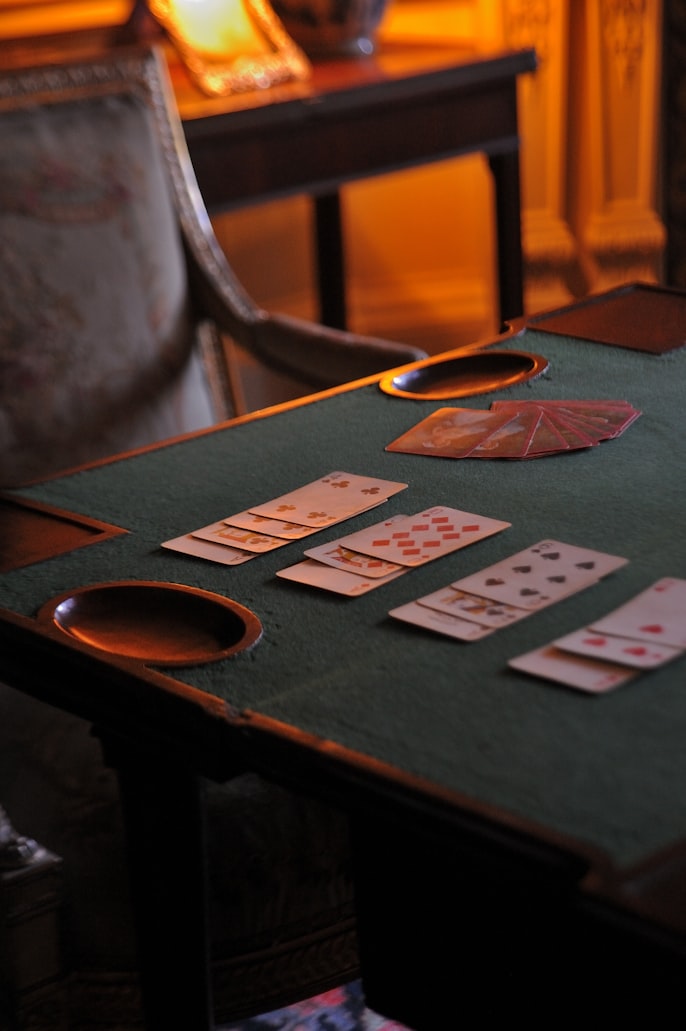
The Middle Ages saw a decline in gambling activities due to the influence of the Church, which deemed it immoral. However, this period also witnessed the emergence of new games, including card games which began in the 14th century. These games laid the groundwork for modern gambling and attracted a different demographic, particularly the nobility, who sought both entertainment and a display of skill.
As European societies began to flourish again, gambling re-emerged in various forms, including early lotteries and betting on events such as horse racing. These developments signified a transformation in gambling culture, blending luck and skill in ways that would influence future generations.
Modern Era of Gambling
The 19th century marked a pivotal moment in the evolution of gambling, particularly with the establishment of casinos in places like Monte Carlo. These venues transformed gambling into a luxurious experience, attracting the elite and fueling a sense of escapism. The introduction of the roulette wheel and the popularity of poker created a more diverse gambling landscape, captivating a broader audience.
Additionally, the 20th century ushered in the legalization of gambling in various regions, which contributed to its mainstream acceptance. The rise of Las Vegas as a gambling capital during this time highlighted a new era where glamour and entertainment converged with gaming, setting the stage for the modern gambling industry we recognize today.
The Digital Revolution and Online Gambling
With the advent of the internet in the late 20th century, gambling underwent yet another transformation. Online casinos emerged, allowing players to enjoy their favorite games from the comfort of their homes. This shift democratized gambling, making it accessible to a broader audience while simultaneously creating a new set of challenges, including regulation and responsible gaming practices.
The rise of mobile applications, such as the PinUp App, has further revolutionized the landscape by providing seamless access to a variety of games and betting options. Players now have the convenience of gambling anytime and anywhere, which has significantly altered their experiences and expectations.
Experience Gaming with PinUp
PinUp represents the culmination of this historical evolution, offering a comprehensive gaming platform that marries tradition with modernity. Users can explore a vast selection of casino games, live tables, and sports betting options, all available through a user-friendly app designed for both Android and iOS devices. This blend of accessibility and variety makes PinUp a prime choice for gamers worldwide.
The platform not only prioritizes a secure gaming experience but also offers exclusive promotions and instant withdrawals, enhancing the overall thrill of online gambling. Whether you’re a seasoned player or new to the world of gaming, the PinUp App ensures that your journey is both exciting and rewarding, reflecting the rich history of gambling while paving the way for the future.